Our main office is located at:
Carol Lawson Esq.
2451 McMullen Booth Rd. Suite 254
Clearwater, FL 33759

Bankruptcy law provides for the development of a plan that allows a debtor, who is unable to pay his creditors, to resolve his debts through the division of his assets among his creditors. This supervised division also allows the interests of all creditors to be treated with some measure of equality. Certain bankruptcy proceedings allow a debtor to stay in business using revenue that continues to be generated to resolve his debts. An additional purpose of bankruptcy law is to allow certain debtors to free themselves (to be discharged) of the financial obligations they have accumulated, after their assets are distributed, even if their debts have not been paid in full.
If you are struggling with overwhelming debt, our experienced Clearwater bankruptcy attorneys can guide you through the process and help you understand your rights and options under federal bankruptcy law.
Bankruptcy law is federal statutory law contained in Title 11 of the United States Code. Congress passed the Bankruptcy Code under its Constitutional grant of authority to “establish… uniform laws on the subject of Bankruptcy throughout the United States.” See U.S. Constitution Article I, Section 8. States may not regulate bankruptcy though they may pass laws that govern other aspects of the debtor-creditor relationship. A number of sections of Title 11 incorporate the debtor-creditor law of the individual states.
Our firm stays current on all changes to bankruptcy law Clearwater regulations, ensuring that each client receives accurate legal advice and complete representation throughout their case.

Bankruptcy proceedings are supervised by and litigated in the United States Bankruptcy Courts. These courts are a part of the District Courts of The United States. The United States Trustees were established by Congress to handle many of the supervisory and administrative duties of bankruptcy proceedings. Proceedings in bankruptcy courts are governed by the Bankruptcy Rules which were promulgated by the Supreme Court under the authority of Congress.
There are two basic types of Bankruptcy proceedings. A filing under Chapter 7 is called liquidation. It is the most common type of bankruptcy proceeding. Liquidation involves the appointment of a trustee who collects the non-exempt property of the debtor, sells it and distributes the proceeds to the creditors. Under Chapters 11, 12, and 13 a bankruptcy proceeding involves the rehabilitation of the debtor to allow him to use his future earnings to pay off his creditors. Under Chapter 7, 12, 13, and some 11 proceedings a trustee is appointed to supervise the assets of the debtor.
A bankruptcy proceeding can either be entered into voluntarily by a debtor or initiated by his creditors. After a bankruptcy proceeding is filed, for the most part, creditors may not seek to collect their debts outside of the proceeding. The debtor is not allowed to transfer property that has been declared part of the estate subject to the proceedings. Furthermore, certain pre-proceeding transfers of property, secured interests, and liens may be delayed or invalidated. Various provisions of the Bankruptcy Code also establish the priority of creditors’ interests.
To learn more about how bankruptcy works and whether it’s the right option for you, speak with our dedicated Clearwater bankruptcy attorneys who can evaluate your situation in detail.
The typical family filing for bankruptcy in 1997 owed more than one and a half times its annual income in short-term, high-interest debt. A family earning $24,000 had an average of $36,000 in credit card and similar debt.
Federal Reserve (1997)
If you contact our Law Office, and schedule a Free Clearwater Bankruptcy Attorney Consultation, you will meet with myself, the Owner of the Law Firm. We offer a Free and Friendly Consultation. We pledge to give each and every Client the Respect and Dignity that they deserve. Payment Plans are Available.
Our office is proud to provide a complete range of legal services Clearwater FL related to bankruptcy, debt relief, and financial recovery. Whether you need representation for Chapter 7, Chapter 13, or help understanding your options, our experienced attorneys are here to help.
How Bankruptcy Works in Florida |
Bankruptcy law provides for the development of a plan that allows a debtor, who is unable to pay his creditors, to resolve his debts through the division of his assets among his creditors. This supervised division also allows the interests of all creditors to be treated with some measure of equality. Certain bankruptcy proceedings allow a debtor to stay in business using revenue that continues to be generated to resolve his debts. An additional purpose of bankruptcy law is to allow certain debtors to free themselves (to be discharged) of the financial obligations they have accumulated, after their assets are distributed, even if their debts have not been paid in full.
Bankruptcy law is federal statutory law contained in Title 11 of the United States Code. Congress passed the Bankruptcy Code under its Constitutional grant of authority to “establish. . . uniform laws on the subject of Bankruptcy throughout the United States.” See U.S. Constitution Article I, Section 8. States may not regulate bankruptcy though they may pass laws that govern other aspects of the debtor-creditor relationship. A number of sections of Title 11 incorporate the debtor-creditor law of the individual states.
Bankruptcy proceedings are supervised by and litigated in the United States Bankruptcy Courts. These courts are a part of the District Courts of The United States. The United States Trustees were established by Congress to handle many of the supervisory and administrative duties of bankruptcy proceedings. Proceedings in bankruptcy courts are governed by the Bankruptcy Rules which were promulgated by the Supreme Court under the authority of Congress.
There are two basic types of Bankruptcy proceedings. A filing under Chapter 7 is called liquidation. It is the most common type of bankruptcy proceeding. Liquidation involves the appointment of a trustee who collects the non-exempt property of the debtor, sells it and distributes the proceeds to the creditors. Under Chapters 11, 12, and 13 a bankruptcy proceeding involves the rehabilitation of the debtor to allow him to use his future earnings to pay off his creditors. Under Chapter 7, 12, 13, and some 11 proceedings a trustee is appointed to supervise the assets of the debtor. A bankruptcy proceeding can either be entered into voluntarily by a debtor or initiated by his creditors. After a bankruptcy proceeding is filed, for the most part, creditors may not seek to collect their debts outside of the proceeding. The debtor is not allowed to transfer property that has been declared part of the estate subject to the proceedings. Furthermore, certain pre-proceeding transfers of property, secured interests, and liens may be delayed or invalidated. Various provisions of the Bankruptcy Code also establish the priority of creditors’ interests.
BANKRUPTCY FACT:
THE TYPICAL FAMILY FILING FOR BANKRUPTCY IN 1997 OWED MORE THAN ONE AND A HALF TIMES ITS ANNUAL INCOME IN SHORT-TERM, HIGH-INTEREST DEBT. A FAMILY EARNING $24,000 HAD AN AVERAGE OF $36,000 IN CREDIT CARD AND SIMILAR DEBT.
FEDERAL RESERVE (1997)
If you contact our Law Office, and schedule a Free Clearwater Bankruptcy Attorney Consultation, you will meet with myself, the Owner of the Law Firm. We offer a Free and Friendly Consultation. We pledge to give each and every Client the Respect and Dignity that they deserve. Payment Plans are Available.
Our office stands ready to serve your needs.
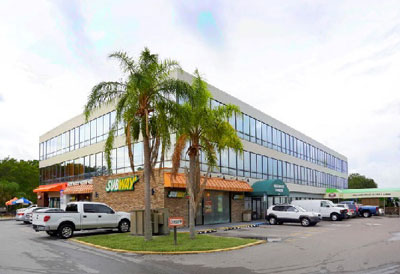

Our office stands ready to serve your needs.
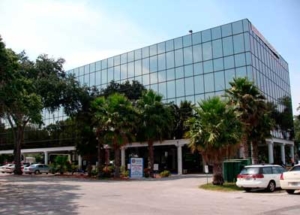

Phone: (727) 410-2705
Phone 2: (727) 330-1627
We are LBQT friendly; service animals welcomed; free parking and free WIFI.
Day, Evening and Weekend appointments available
2451 McMullen Booth Rd. #254 Clearwater, FL 33759